A gluten-free diet is the cornerstone of treatment for individuals with celiac disease and must be followed for life to prevent gluten-induced immunological damage to the small intestinal mucosa. Because gluten triggers this damage in affected individuals, it needs to be eliminated from the diet completely.
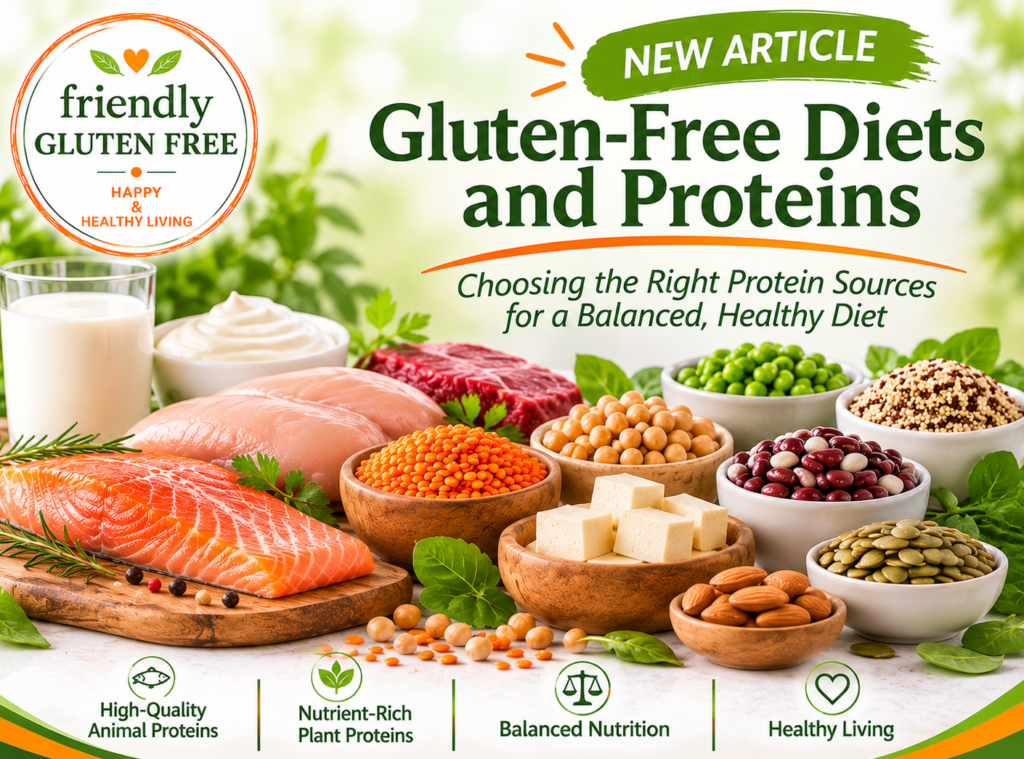
A gluten-free diet should not be regarded as a low-protein diet. Being diagnosed with celiac disease does not, in itself, mean that daily protein requirements are higher than those of healthy individuals. The key consideration in gluten-free nutrition is therefore not only whether the requirement is met, but also the source and quality of the proteins consumed to meet it.
Protein quality is determined by the combined effect of several factors, including amino acid balance, digestibility, sensory properties, the technological processing of the product and the way it is consumed. Two products containing the same amount of protein may differ markedly in nutritional value depending on these factors.
Protein requirements vary with age, body weight, physical activity, growth, pregnancy, health status and overall nutritional adequacy. For healthy adults, the recommended dietary allowance (RDA) is approximately 0.8 g/kg/day, and this value should also serve as the reference for gluten-free diets. Increasing the amount of protein alone is often not a sufficient solution.
Combining animal and plant protein sources is generally the more appropriate approach to protein intake. Vegans and vegetarians, who do not consume animal-derived foods, meet their protein needs solely from plant sources. Food allergens are also an important factor in choosing protein sources, and soy protein is one example.
The plant-based raw materials used in gluten-free diets differ in protein quality. Legumes such as lentils, chickpeas, beans and peas are important plant protein sources, and in addition to protein they provide fiber, iron, folate and various phenolic compounds. Rice protein is one of the ingredients widely used in the gluten-free food industry.
Soy protein stands out among plant sources for its amino acid profile and digestibility. It contains all essential amino acids and is rich in lysine, but it is not suitable for individuals with soy allergy. Buckwheat and quinoa are two naturally gluten-free products that are frequently preferred in these diets.
Among animal-derived proteins, meat, fish, eggs, milk and native milk proteins are inherently free of gluten. However, gluten cross-contamination or the use of gluten-containing ingredients is possible in processed products, which makes careful evaluation of product composition necessary for animal-based foods as well.
Eggs are among the protein sources with the highest biological value, and meat proteins are likewise important in terms of biological value and amino acid composition. Fish proteins are high-quality sources as well, with sardines, salmon and tuna being the first examples that come to mind.
Approximately 80% of the protein in cow’s milk is casein and approximately 20% is whey, and these ratios represent average values. Milk is rich in protein, but because it is among the recognized food allergens, it should not be consumed by individuals with milk protein allergy.
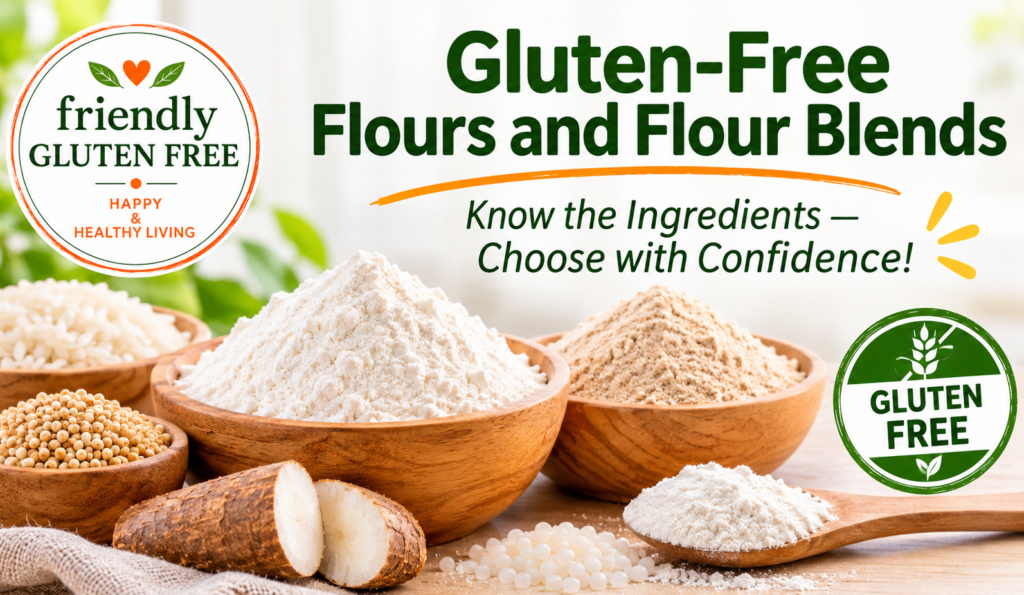
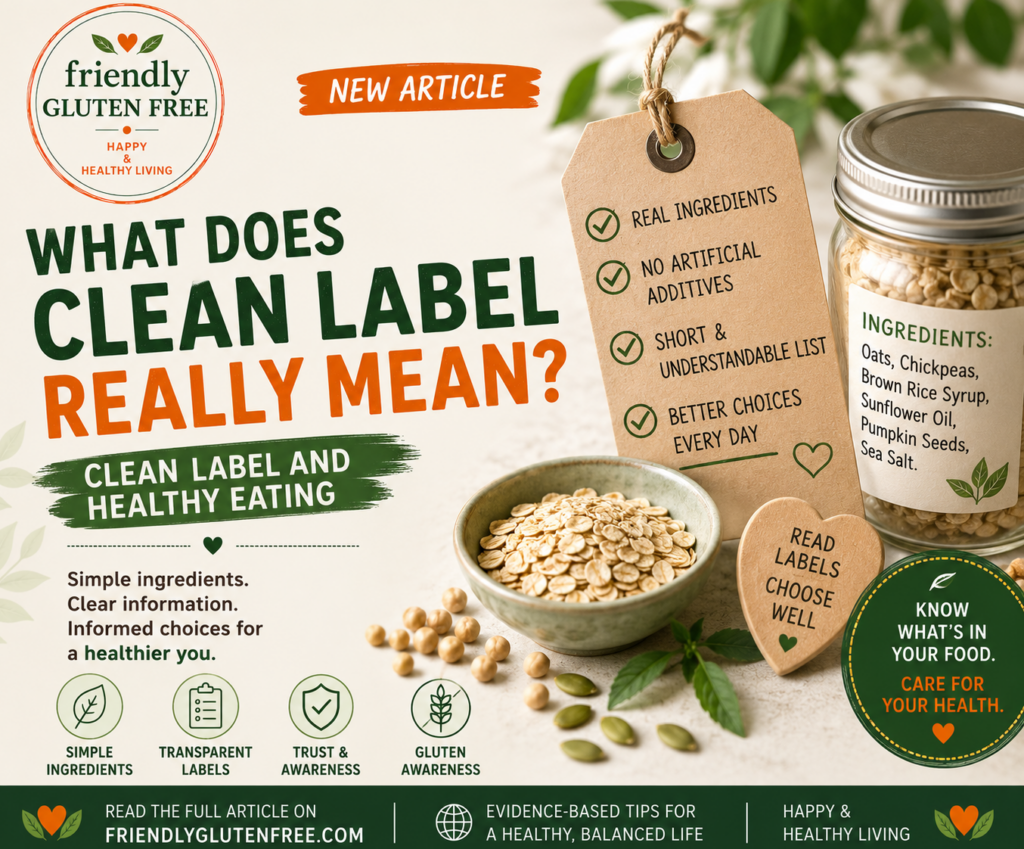
The fact that a food is naturally gluten-free does not eliminate the risk of gluten contamination during production and packaging. For this reason, careful label reading is always necessary.
In conclusion, the nutritional assessment of individuals with celiac disease should not be based solely on daily protein quantity. Nutritional adequacy and protein quality are of great importance, and consuming animal and plant protein sources together in a balanced way is recommended to achieve both.
Wishing you a healthy and happy life.