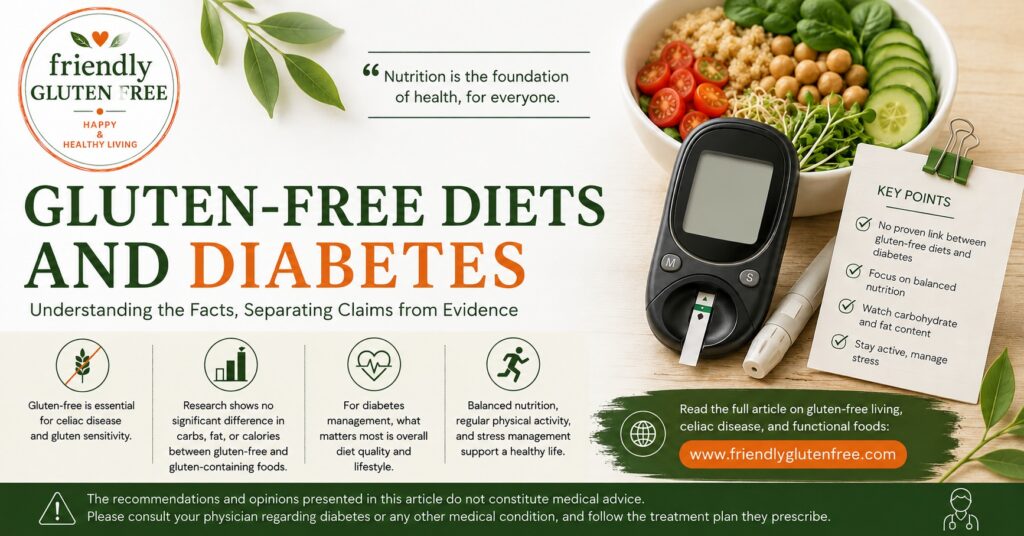
In recent years, several claims have circulated suggesting that a gluten-free diet may pose a risk factor for diabetes. Gluten-free foods are defined as products that do not contain the protein gluten in their composition. While patients with celiac disease are required to consume these foods, a considerable number of individuals also incorporate them voluntarily into their daily diet.
What Is Diabetes?
According to World Health Organization data, more than 800 million adults worldwide are currently living with diabetes — a figure that has more than quadrupled since 1990.
Diabetes is defined as a chronic condition that occurs when the pancreas does not produce sufficient insulin or when the body is unable to effectively use the insulin it produces. If left uncontrolled, this condition can lead to hyperglycemia (elevated blood glucose), which over time causes serious damage to multiple organ systems, including the heart, eyes, nerves, blood vessels, and kidneys.
Diabetes presents in three principal forms: Type 1, Type 2, and gestational diabetes, which develops during pregnancy. Genetic predisposition, irregular and excessive food intake, a sedentary lifestyle lacking physical activity, and chronic stress are among the key factors associated with disease onset.
Treatment approaches generally include pharmacological therapy, insulin administration, and lifestyle modification. A healthy lifestyle in this context refers to balanced nutrition, regular physical exercise, and stress management.
Does a Gluten-Free Diet Affect Diabetes?
Given this established medical perspective, we can examine the relationship between gluten-free eating and diabetes by addressing a specific question: does including gluten-free foods in one’s daily diet have an effect on diabetes risk or management?
Individuals diagnosed with diabetes are advised to closely monitor the carbohydrate and fat content of the foods they consume. To evaluate this question, the table below compares several commonly consumed gluten-containing and gluten-free foods in terms of carbohydrate content, total fat, and caloric value per 100 g serving.
| Food Item | Carbohydrates (g) | Calories (kcal) | Total Fat (g) |
| Pasta | 71 | 400 | 1.5 |
| Gluten-Free Pasta | 78 | 359 | 1.5 |
| Bread | 53 | 300 | 3.5 |
| Gluten-Free Bread | 51 | 241 | 3.5 |
| Sandwich Bread | 57 | 300 | 3.2 |
| Gluten-Free Sandwich Bread | 51 | 267 | 4.6 |
| Cake | 45 | 366 | 18 |
| Gluten-Free Cake | 56 | 385 | 18 |
| Biscuits | 80 | 400 | 18 |
| Gluten-Free Biscuits | 80 | 433 | 13 |
(Values are given per 100 g serving.)
A review of the table shows no substantial difference between gluten-containing and gluten-free foods in terms of carbohydrate, fat, or caloric content.
Conclusion
Individuals with gluten sensitivity or a confirmed diagnosis of celiac disease are required to follow a gluten-free diet. However, the claim that a gluten-free diet predisposes individuals to diabetes, or negatively affects the course of existing diabetes, is not well supported.
Individuals diagnosed with diabetes should maintain a disciplined approach to nutrition, paying close attention to the carbohydrate and fat content of the foods they consume, and should avoid foods that significantly raise blood glucose levels.
Maintaining a healthy, well-balanced diet and incorporating regular physical activity into daily life remain fundamental components of a healthy lifestyle.
Wishing you health and happiness.
The recommendations and opinions presented in this article do not constitute medical advice. Please consult your physician regarding diabetes or any other medical condition, and follow the treatment plan they prescribe.